

Making f-l.ca feel like mine
I have been using vanityURLs since 2024. That is the useful boundary. The engine stays boring and the public surface gets personality.
For f-l.ca, I wanted something else, the engine stays boring and the public surface feel unmistakably mine.
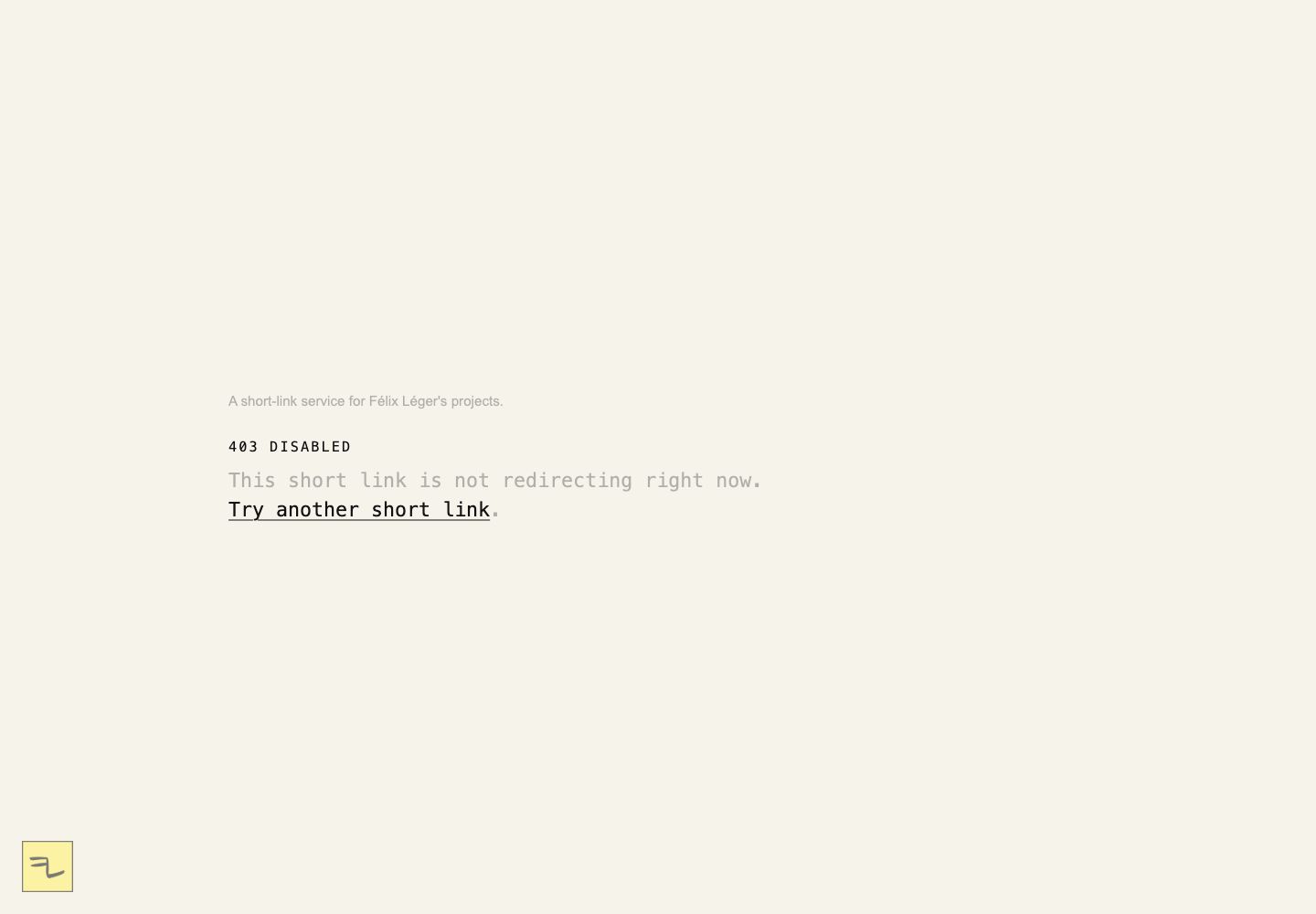
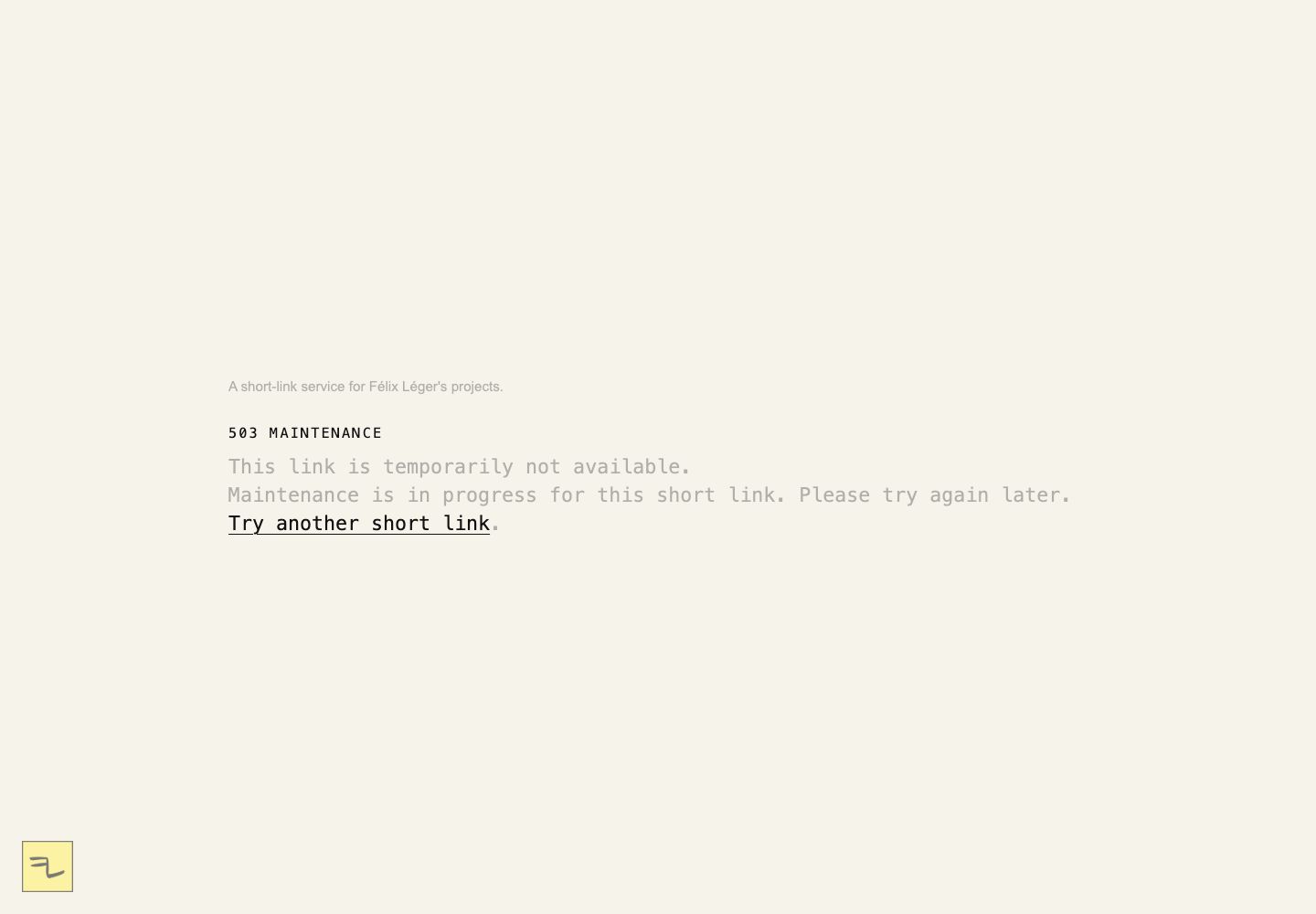
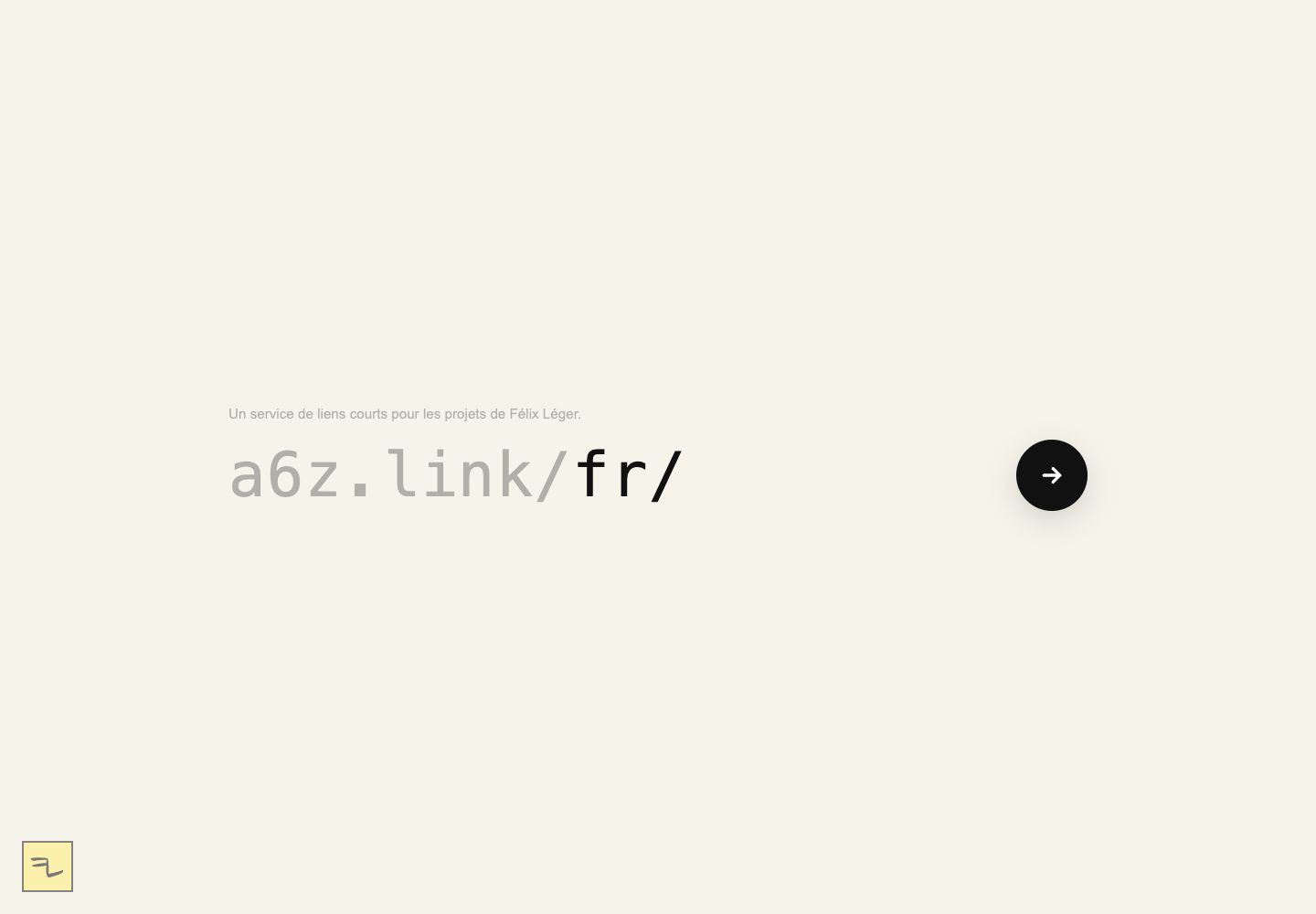
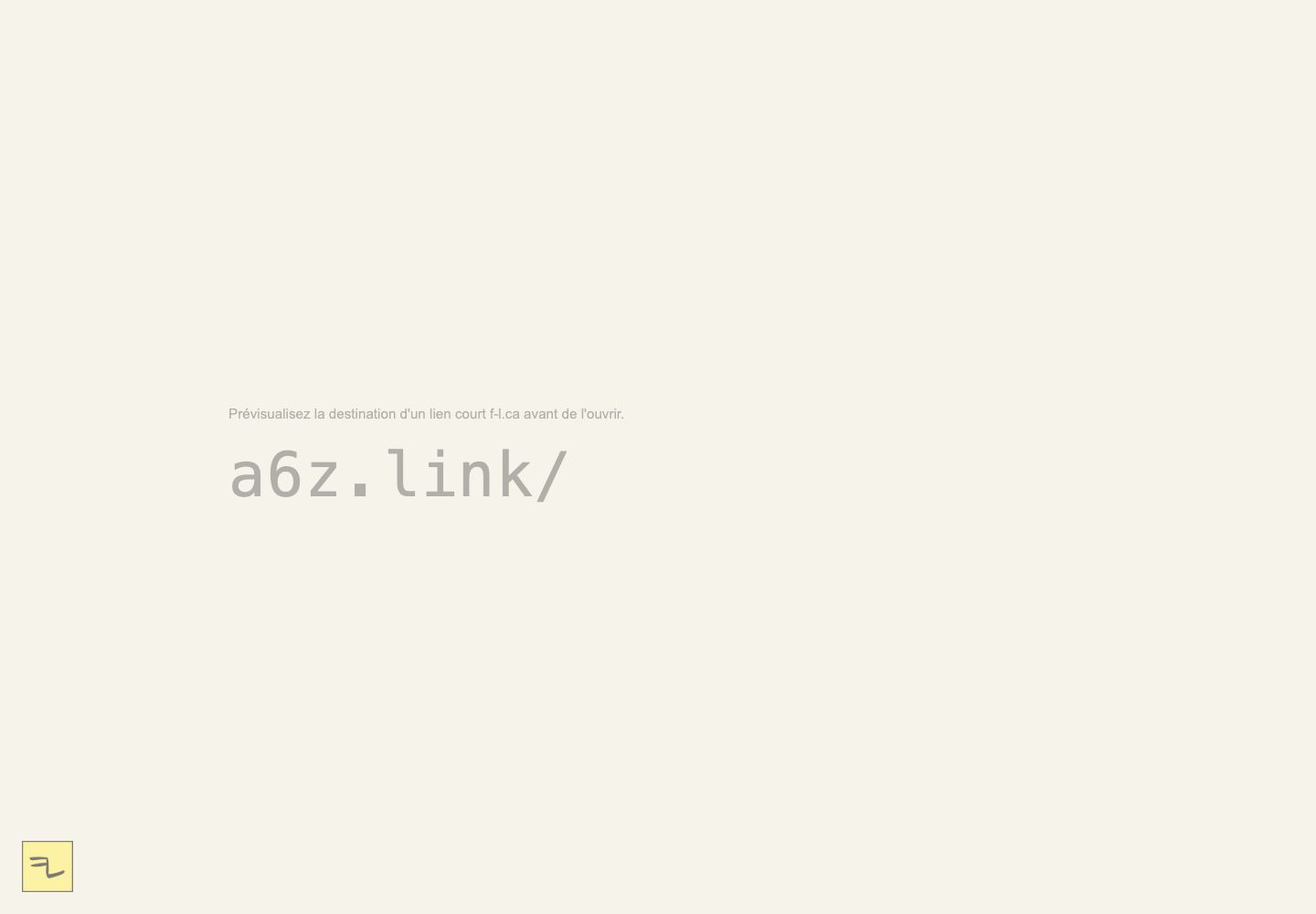
For the mechanical path, see Brand and Custom overrides.
The url is the interface
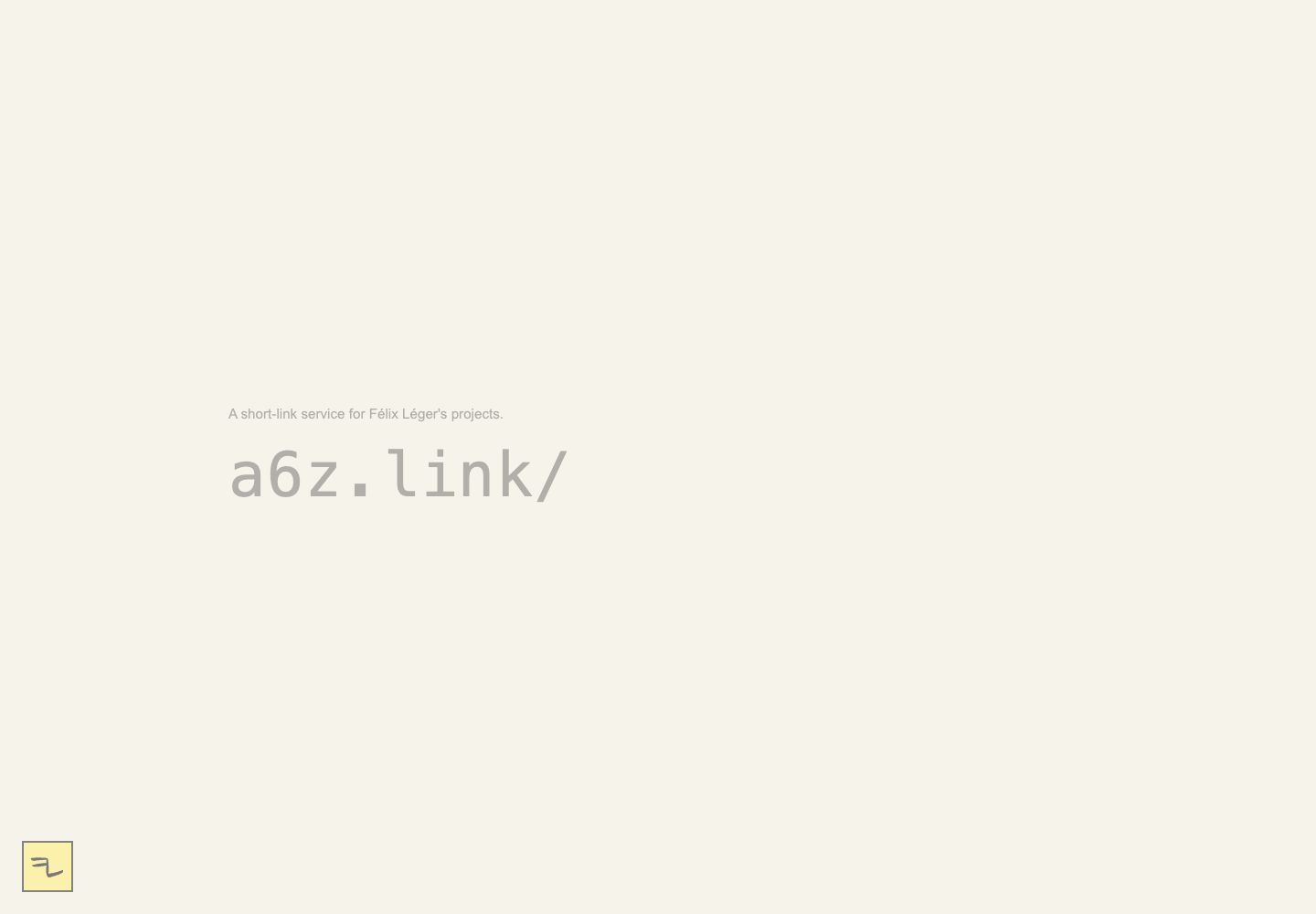
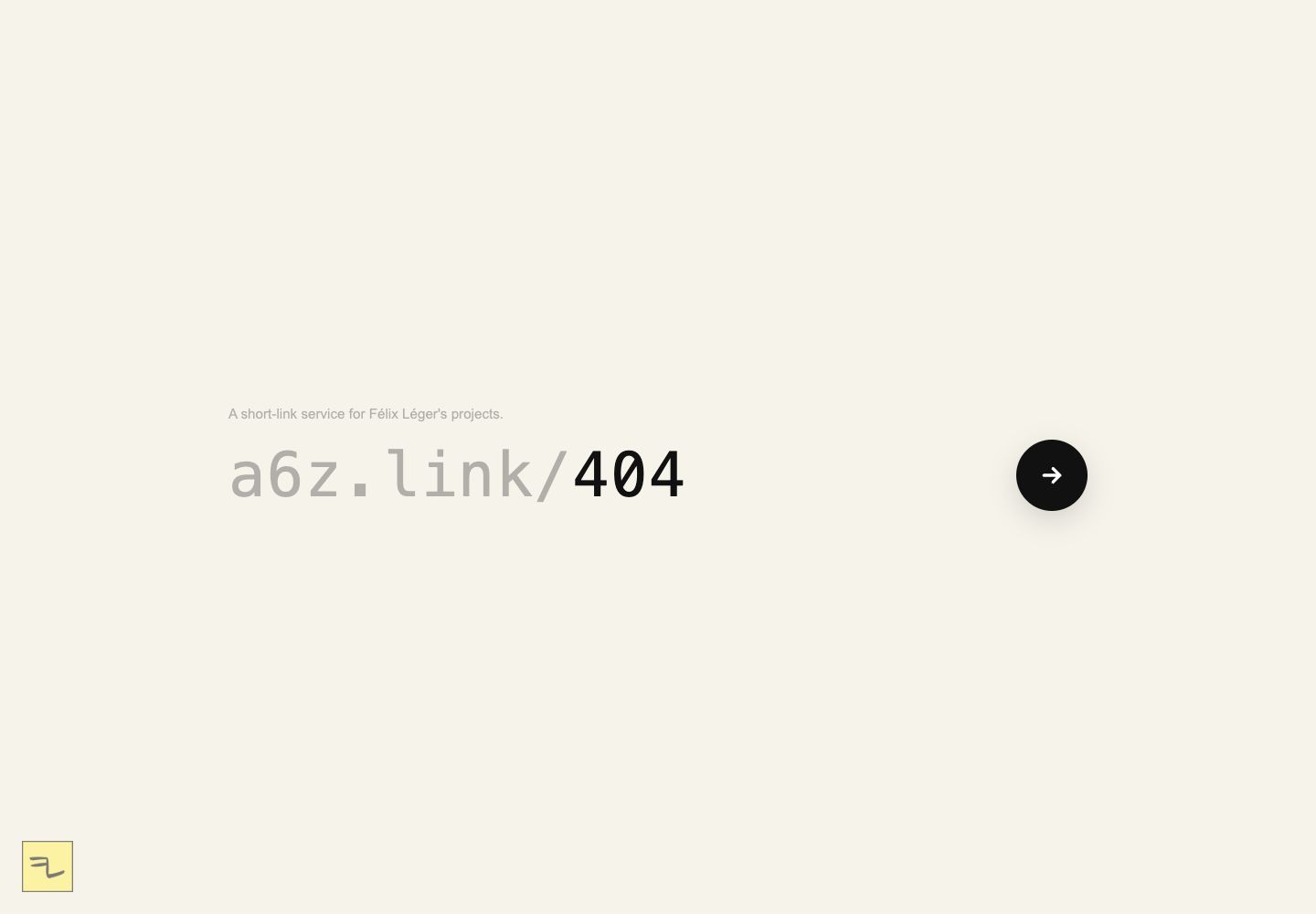
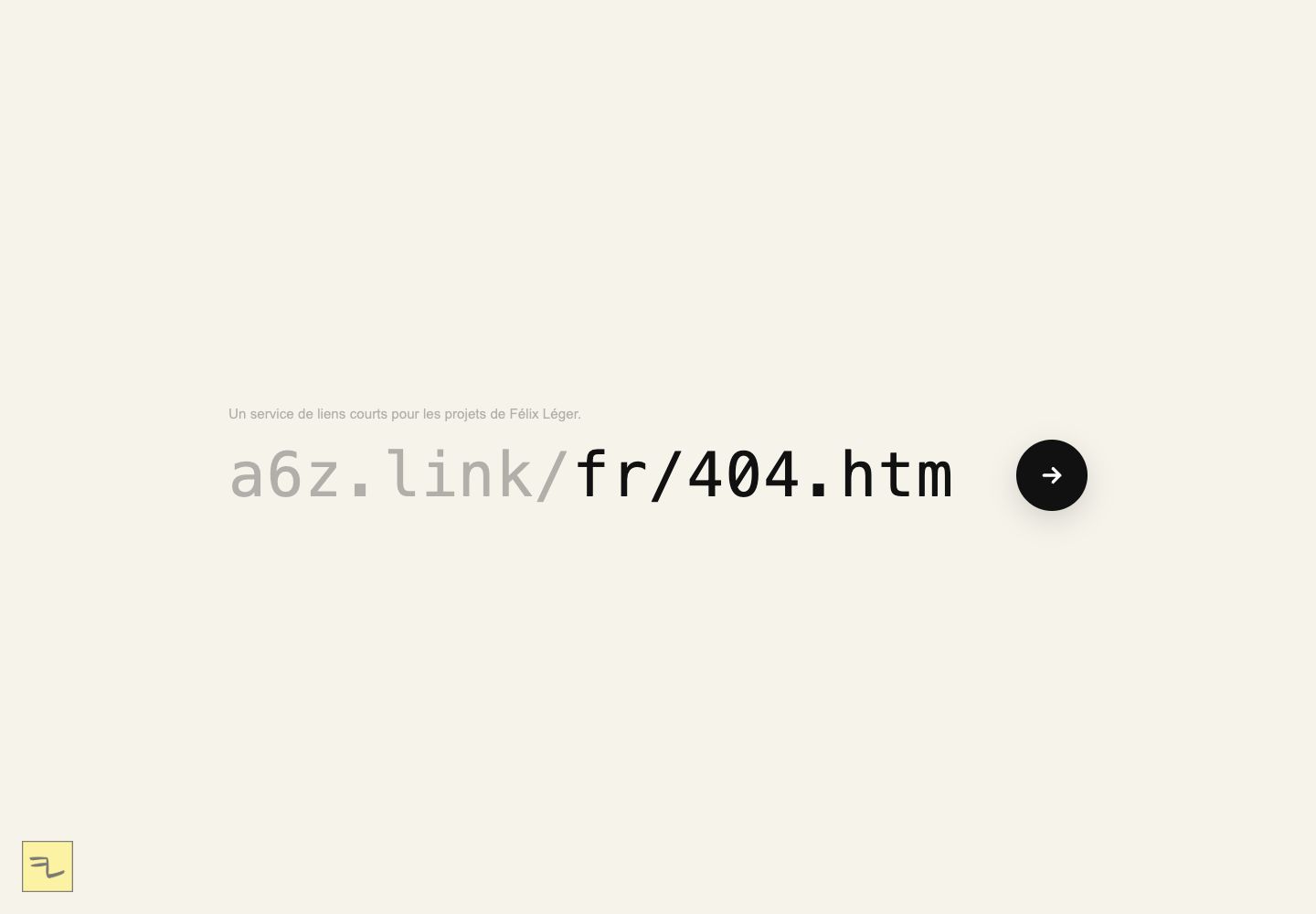
My theme is built around one concept: the link itself should be the main object on the page.
When someone types a slug, the circular arrow becomes the action.
When a path is invalid, the screen shake & show the path back to the visitor instead of changing visual systems.
Full custom mode has a cost
This is not the quickest path, you can ask my co-maintainer . Full custom mode means the instance provides its own public pages under custom/public, including English and French variants, lookup pages, and status pages.
That makes reading internationalization part of the theme work. Localized pages need to stay equivalent, not merely translated once.
It also means the theme has to behave like product code:
- English and French pages need to stay aligned
- Every pages needs to keep the same visual language as the homepage
- custom HTML needs a deliberate Content Security Policy posture
- custom files need to avoid collisions with assets shipped by vanityURLs
- protected operator pages1 such as
_statsand_testsneed an explicit decision: customize them, or leave them product-owned
The default vanityURLs pages absorb most of that maintenance. A custom theme gives more control. It also removes guardrails.
Keep product names out of custom files
One line I would not cross is file naming. That boundary matters at build time.
The custom pages use names like flstyle.css and flscript.js, because those are instance-owned. I would not create custom files named like product-managed assets in defaults/public, especially v8s-style.css, v8s-script.js, v8s-status.css, v8s-lookup.js, or v8s-theme.js.
The build copies defaults/public first, then overlays custom/public.2 If a custom file shadows a managed v8s-* file, things will get weird while pages that stay vanilla continue expecting the current default CSS and JavaScript.
The split is plain: give custom web and status pages their own asset names, and let pages that remain vanilla keep using the managed v8s-* files.
It’s a different trust boundary
As of June 16, 2026, the vanityURLs public-pages documentation says custom HTML receives a sandboxed compatibility CSP profile, while referenced CSS, JavaScript, images, fonts, and manifests are served as normal assets.3
That is the right default for copied or hand-authored pages. It permits same-host CSS and JavaScript without granting product-page trust.
It also has a cost. Custom JavaScript should not depend on host cookies, host localStorage, or protected same-origin APIs when the sandbox omits allow-same-origin. Fortunately, vanityURLs does not use those capabilities.
Brand Lives In The Small Choices
The brand work is not the slug form. That belongs to the interface.
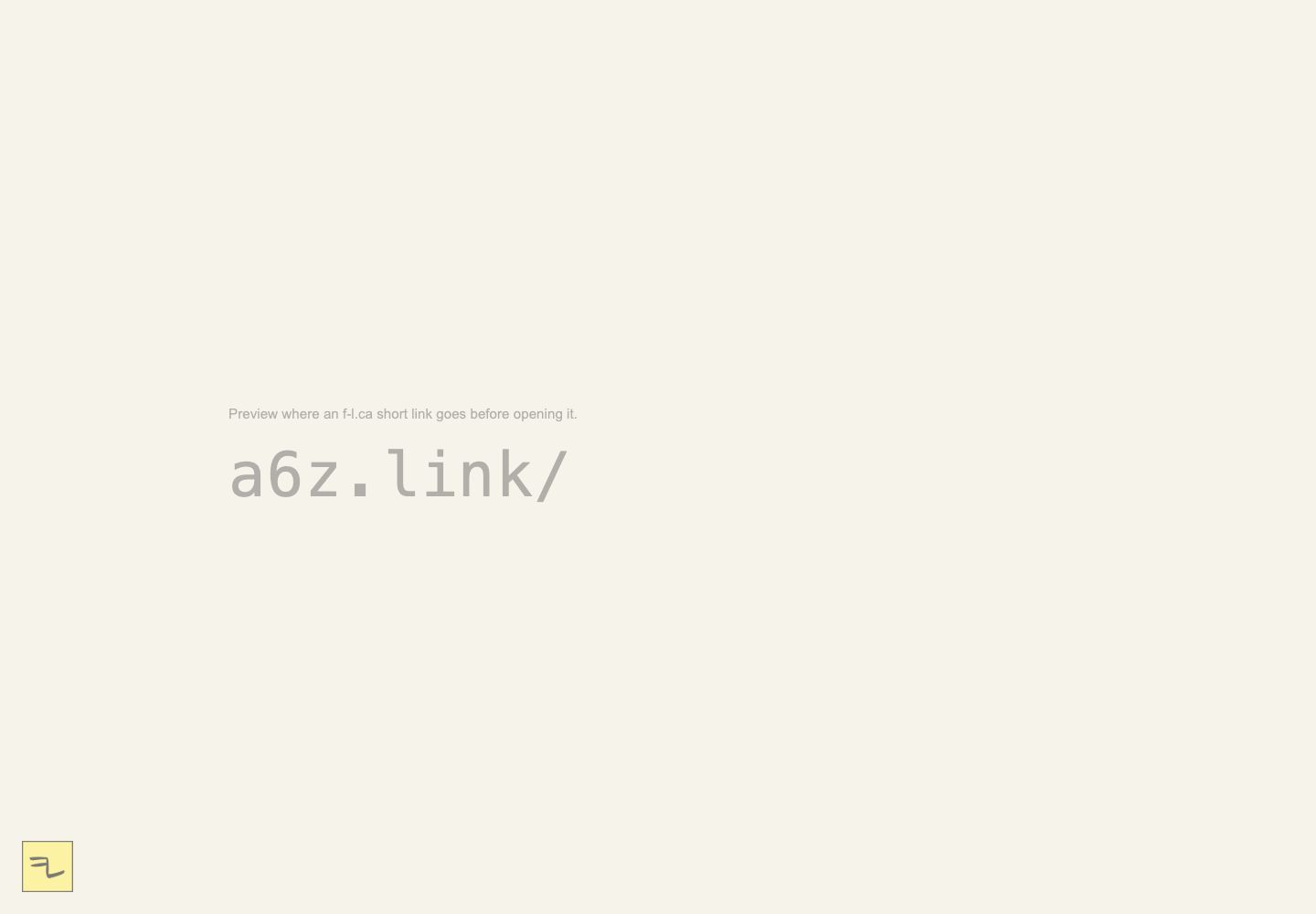
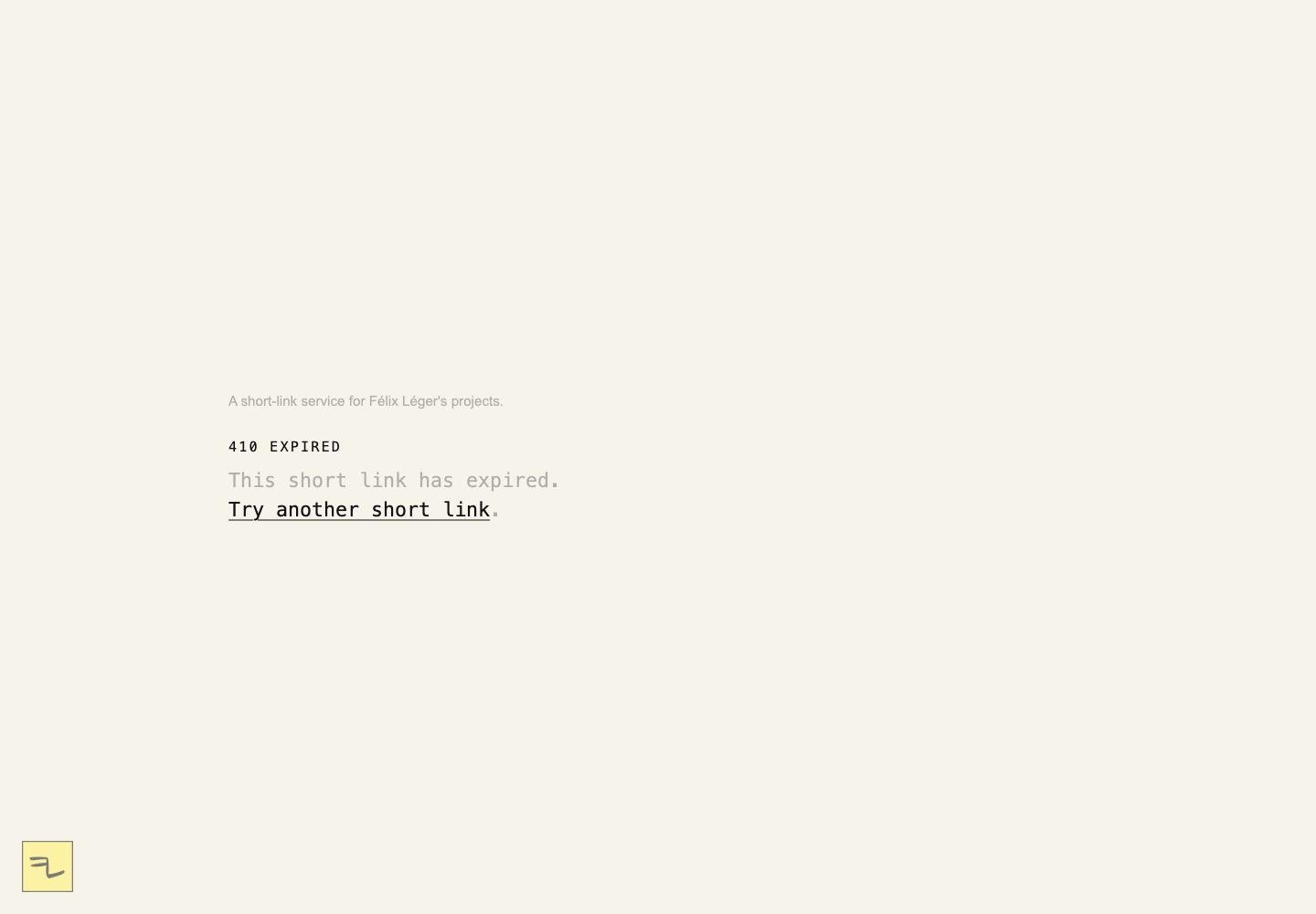
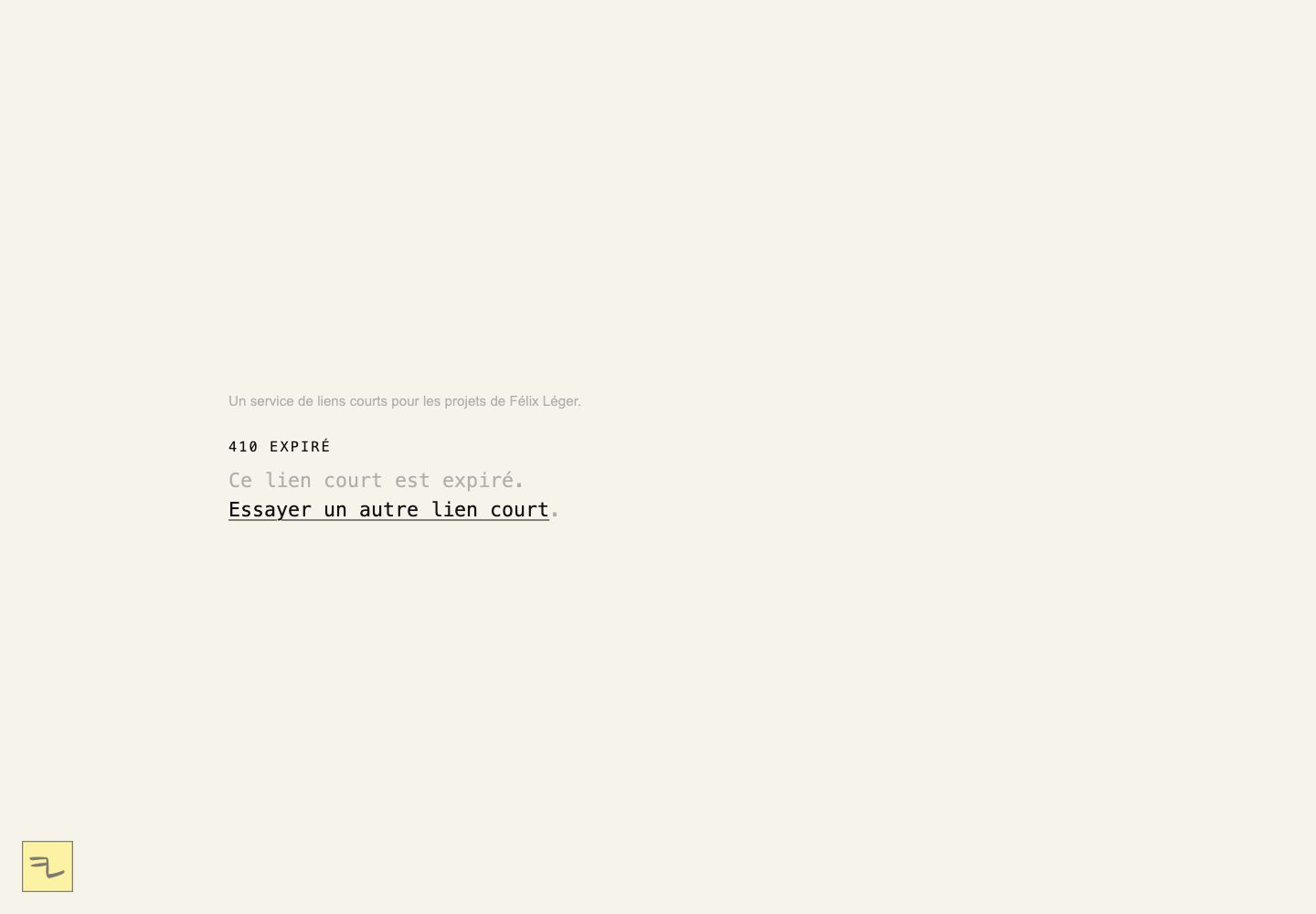
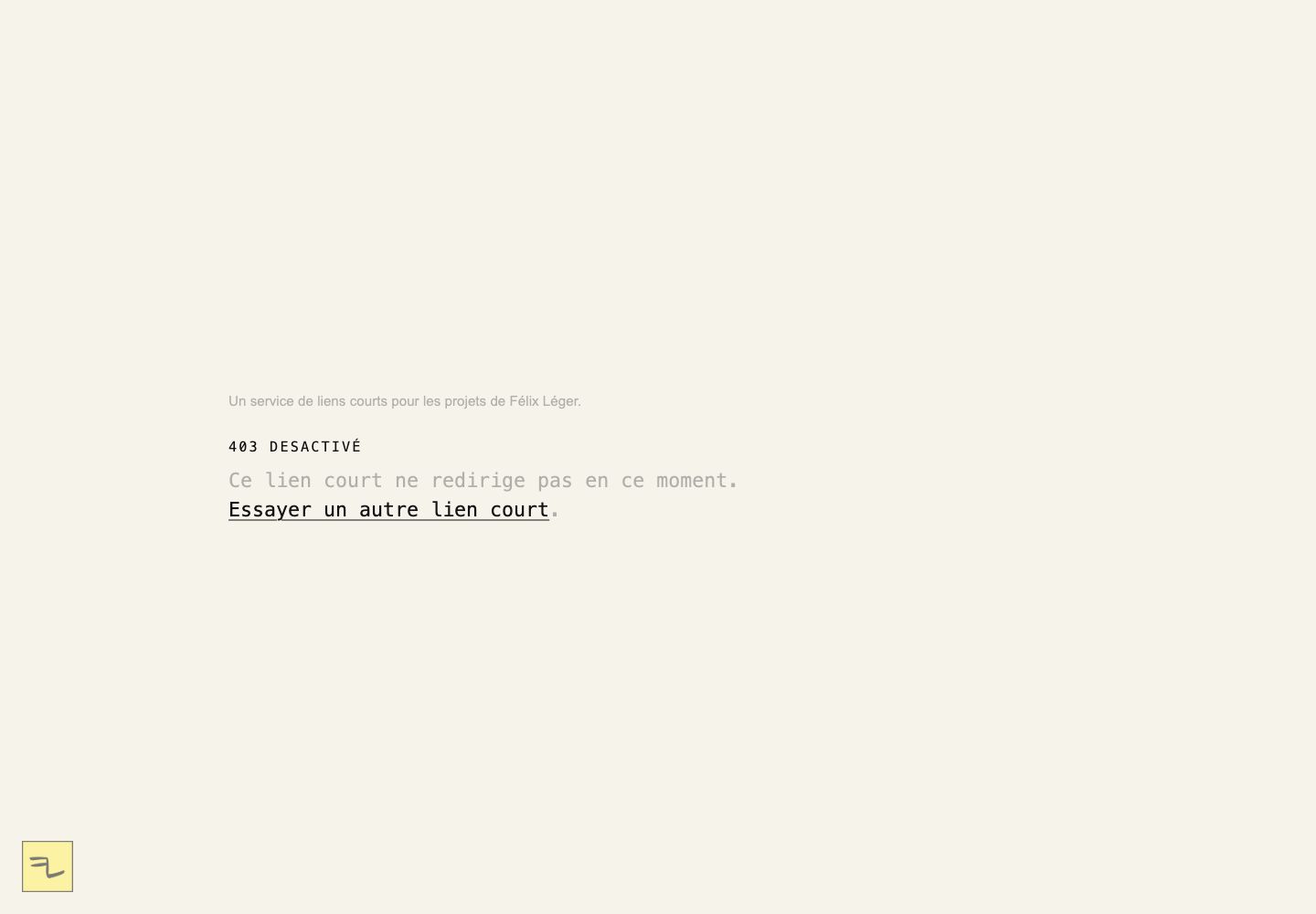
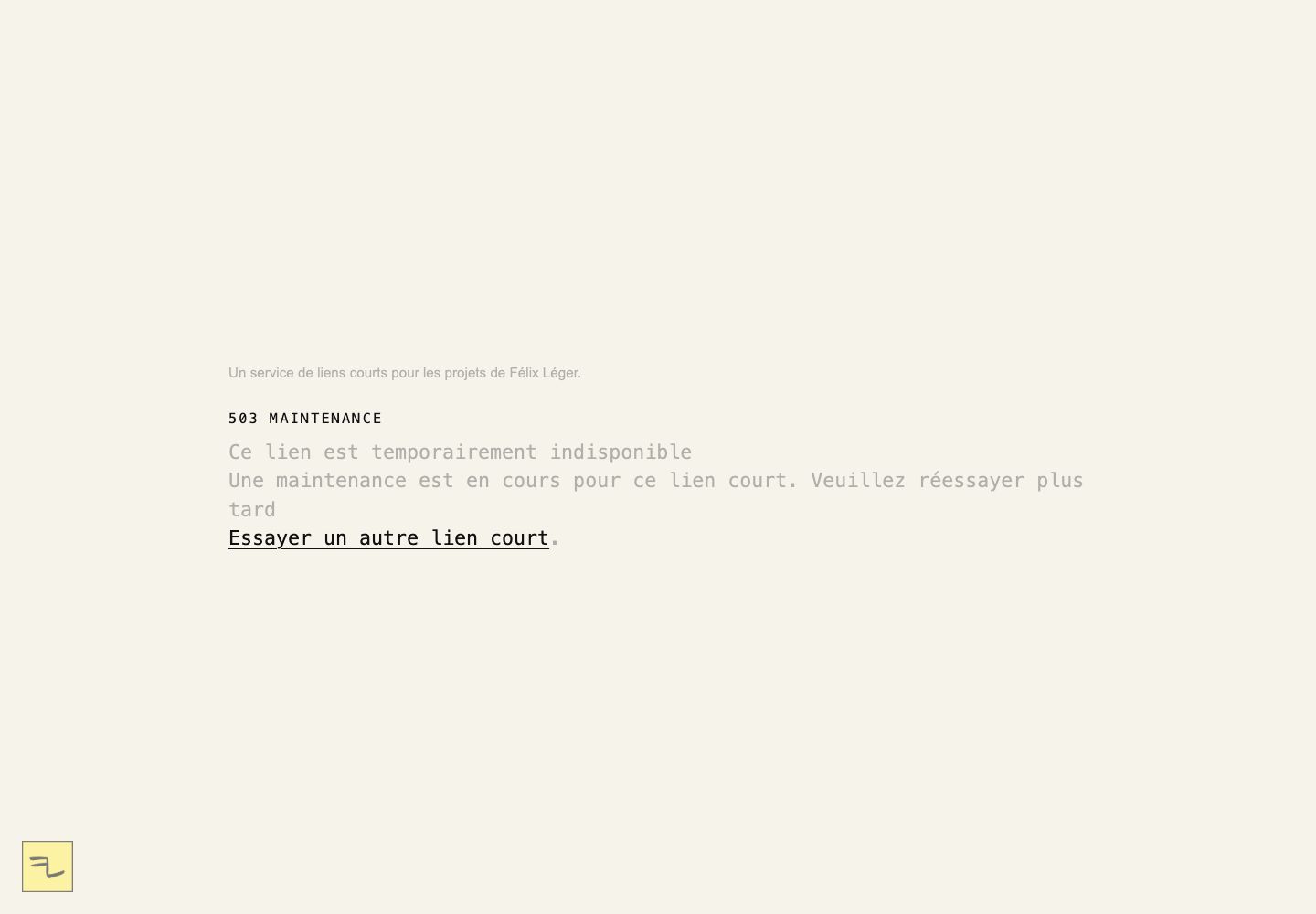
The brand work is the restraint around it: a warm background, a monospace URL, a small yellow mark in the corner, and almost no explanatory copy. The page should look owned without asking to be admired.
My theme supports light and dark mode, but it does it differently from the default vanityURLs pages. I uses CSS variables with prefers-color-scheme directly in flstyle.css. It’s good enough.
The default pages use the product v8s-theme.js helper so QA links can force previews with ?theme=light and ?theme=dark; see Custom overrides and Access control when testing protected _tests previews. You can see below the default QA Links.
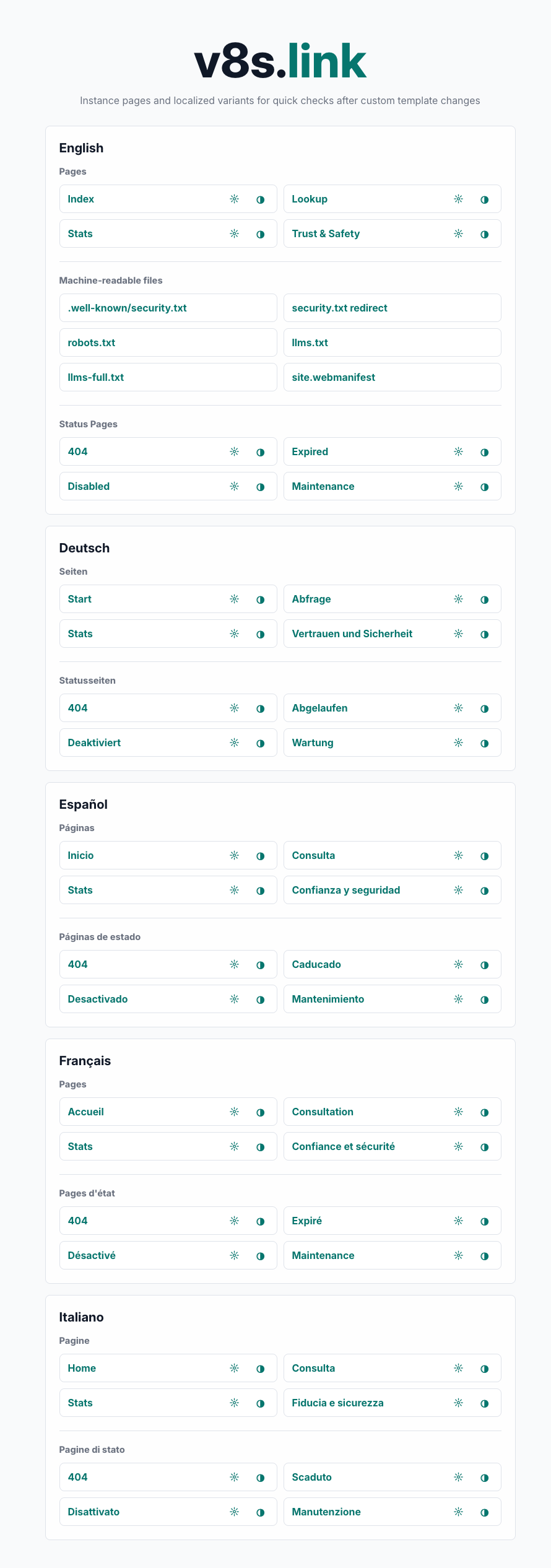
I did not customize the operator pages: _stats and _tests. They are not public brand surfaces.
Tell maintenance what is intentional
The maintenance file is custom/v8s-custom-overrides.json. vanityURLs uses that JSON so npm run doctor4 and v8s-fix know which custom differences should not be fixed back to /defaults.
That record matters because the 404 experience is not a separate default-looking error document. It is the same redirect surface. When a path is not found, the page can show the entered path and shake the form.
Without the override record, maintenance tooling has to treat those differences as possible drift, the current manifest is explicit:
{
  "schema_version": "1.0",
  "doctor": {
    "ignore": [
      {
        "paths": [
          "custom/public/en/404.html",
          "custom/public/en/abuse.html",
          "custom/public/en/disabled.html",
          "custom/public/en/expired.html",
          "custom/public/en/index.html",
          "custom/public/en/lookup/index.html",
          "custom/public/en/maintenance.html",
          "custom/public/fr/404.html",
          "custom/public/fr/abuse.html",
          "custom/public/fr/disabled.html",
          "custom/public/fr/expired.html",
          "custom/public/fr/index.html",
          "custom/public/fr/lookup/index.html",
          "custom/public/fr/maintenance.html"
        ],
        "codes": ["html-head-assets-stale", "branding-stale"],
        "reason": "Felix intentionally uses a custom single-screen theme, including the home-style 404 fallback."
      },
      {
        "paths": [
          "custom/public/android-chrome-192x192.png",
          "custom/public/android-chrome-512x512.png",
          "custom/public/apple-touch-icon.png",
          "custom/public/favicon-16x16.png",
          "custom/public/favicon-32x32.png",
          "custom/public/favicon.ico",
          "custom/public/en/android-chrome-192x192.png",
          "custom/public/en/android-chrome-512x512.png",
          "custom/public/en/apple-touch-icon.png",
          "custom/public/en/favicon-16x16.png",
          "custom/public/en/favicon-32x32.png",
          "custom/public/en/favicon-48x48.png",
          "custom/public/en/favicon.svg",
          "custom/public/en/site.webmanifest",
          "custom/public/en/v8s-redirected-dark.svg",
          "custom/public/en/v8s-redirected.svg",
          "custom/public/fonts/intervariable.woff2",
          "custom/public/fonts/jetbrainsmono.woff2",
          "custom/public/flstyle.css",
          "custom/public/fr/v8s-redirected-dark.svg",
          "custom/public/fr/v8s-redirected.svg",
          "custom/public/_tests/index.html",
          "custom/public/icon.png",
          "custom/public/logo.png",
          "custom/public/logo.svg",
          "custom/public/lookup.css",
          "custom/public/lookup.js",
          "custom/public/flscript.js",
          "custom/public/site.webmanifest"
        ],
        "codes": ["shared-asset-stale"],
        "reason": "Felix intentionally owns these theme and identity assets."
      },
      {
        "paths": ["custom/public/_tests/index.html"],
        "codes": ["product-page-stale"],
        "reason": "Felix intentionally uses a themed QA page for the full custom mode test instance."
      }
    ]
  }
}
That is the fine line in full custom mode: document the differences you mean to own, link back to the product docs for the defaults you still rely on, and let the tooling keep helping everywhere else.
_statsis the protected read-only dashboard;_testsis the protected runtime test matrix. See Reading your vanityURLs admin dashboard and Access control. ↩︎See the vanityURLs Internationalization documentation for the build behavior: default public assets are copied,
custom/publicis overlaid, and unsupported language directories are removed frombuild/. ↩︎Content Security Policy Level 3 was a W3C Working Draft dated May 5, 2026 when this post was prepared. For the vanityURLs implementation, see Runtime security approach and Public and status pages. The custom-page behavior is an implementation detail, not a CSP requirement. ↩︎
See Public and status pages for the
doctor.ignoreshape. For asset integrity, refer to W3C Subresource Integrity handling. ↩︎